
Subscribe and receive email notifications of new blog posts.
 RSS Feed
- 2026 | 30 Posts
- 2025 | 48 Posts
- 2024 | 48 Posts
- 2023 | 48 Posts
- 2022 | 48 Posts
- 2021 | 48 Posts
- 2020 | 44 Posts
- 2019 | 48 Posts
- 2018 | 48 Posts
- 2017 | 2 Posts
- 2014 | 1 Posts
16
National Honey Bee Day: Plants to Help Bees in Your Garden
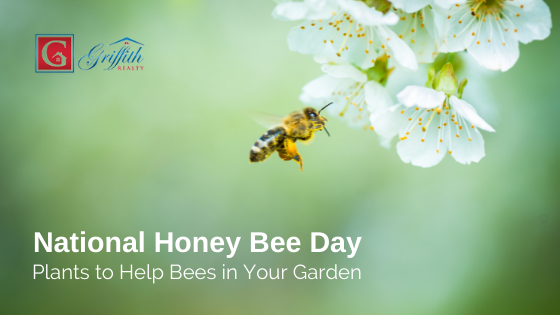
Honey bees and other pollinators are crucial to the production of many crops. Providing them the right sustenance and conditions on our properties helps ensure that they do their job well. Sometimes property owners need guidance about how to help bees in Michigan. The Managed Pollinator Protection Plan (MP3) has been established to protect pollinators' health in Michigan while protecting our crops, property, and health.
One great way to get the word out about protecting pollinators is to focus on National Honey Bee Day, set for August 21. From planting overlapping species of pollinator-friendly plants to avoiding pesticides, and extolling the virtues of native plantings, here are some things you can do to make your property bee-friendly.
What to Plant?
Most people think of bees first when they think of pollinators, but it's important to realize there are many species of insects that help to pollinate -- that is, helping the plant to reproduce, or produce fruit, by transferring pollen grains from the male anther of a flower to the female stigma. Bees do it. Wasps do it. Butterflies do it. Even flies do it, and so do bats. That's why it's so important to sustain these insects (and bats) whenever possible, and not to attack them with a spray can of pesticide the moment you see a wasp or a bee.
When you plant for bees or other pollinators, plant a variety of blooming species, particularly ones where the blooming overlaps so they will have food throughout the growing season. For instance, once spring blooming is done for certain flowers, you want summer flowers to start blooming so the pollinators will have nutrition.
You also want to plant species that are native to our area, so that bees and other pollinators will find food in the nectar the flowers produce.
Some of the native flowering plants of Michigan that attract beneficial insects are:
- Missouri ironweed
- Yellow coneflower
- Pale Indian plantain
- Meadowsweet
- Nodding wild onion
- Horsemint/spotted bee balm
- Swamp milkweed
- Culver's root
- New England aster
- Riddell's goldenrod
- Pale-leaved sunflower
There are of course many more but you can visit a native plant nursery at various times throughout the growing season and talk to the staff about what might work in your landscape, according to shade and sunlight exposure, type of soil, and when the blooms will be available for your pollinators.
It's important you acquire your plants from the type of nursery that will grow plants without chemicals that will harm the pollinators. Be sure you discuss this with nursery staff and make it clear you are creating a pollinator garden and want to be sure the plants will not have any residual pesticides on them.
The other advantage of native plants is that they require much less water than cultivated plants, and are likely to be much hardier. And, perennial native plants will reseed themselves, coming back each year. Do be aware that it can take a couple of years for native plants to take hold in your garden, so be patient.
Ready to find a Michigan home where you can plant your own pollinator garden? Our real estate agents can answer your questions about buying or selling a property. Contact us today.