
Subscribe and receive email notifications of new blog posts.
 RSS Feed
- 2026 | 30 Posts
- 2025 | 48 Posts
- 2024 | 48 Posts
- 2023 | 48 Posts
- 2022 | 48 Posts
- 2021 | 48 Posts
- 2020 | 44 Posts
- 2019 | 48 Posts
- 2018 | 48 Posts
- 2017 | 2 Posts
- 2014 | 1 Posts
29
What You Need to Know About Buying a Fixer-Upper
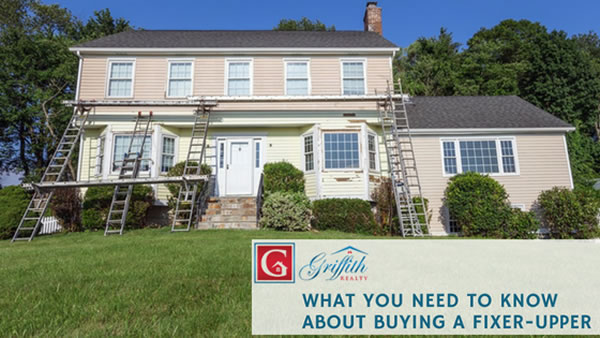
In the debate between buying a brand new home and a fixer-upper, each side has its proponents. If you're leaning toward the latter, there are some pretty significant benefits worth considering.
Buying an older home can offer huge savings compared to new construction, but chances are you're going to have to do a little work to make your house really feel like your dream home. Here's what you need to know about buying a fixer-upper.
Why Buy a Fixer-Upper
Buying a fixer-upper isn't always the easiest path, but there are a lot of reasons why more and more new homeowners are choosing to invest in an older house.
- Great location: Older houses tend to be in better locations than newly built homes – along quiet,tree-lined streets near the heart of town, surrounded by other historic homes. These areas aren't always the cheapest places to buy a house, which is why fixer-uppers are becoming so popular.
- Cost benefits: A house that needs a little work will be cheaper than a brand new house, sometimes a lot cheaper. Of course, you must keep in mind that repairs and renovations will add to that cost, but even when you consider the expense of fixing up an older home, it's often still a better deal than new construction.
- Lower taxes: Because tax rates are based on the sale price of your home, your property taxes will probably be lower if you buy a cheaper house that needs some work.
- Historic charm: Older houses have a lot of unique, often era-specific features that you just can't find in a new house. Even if you plan on doing a little remodeling, you can still keep a lot of the original features, giving your house a great historic atmosphere.
Tips Before You Buy
Not all fixer-uppers are created equal, and it's important to consider your options carefully. If everything works out, it can be a smart financial move as well as a great lifestyle choice.
- Know what can't be fixed: When evaluating a house, it's important to understand which types of repairs will be too difficult or costly to fix. It's easy to replace outdated fixtures, repaint faded walls or get rid of tacky carpeting, but a damaged roof, major plumbing issues or a cracked foundation can be red flags.
- Look everywhere: Check real estate listings in your local papers and scour the web, but don't shy away from unconventional sources, like foreclosures, auctions and estate sales.
- Hire an inspector: Having a house inspected before you buy it is a step that you should never skip when buying an older home. A thorough inspection may uncover defects that you wouldn't have known about, and can potentially stop you from buying a house that would have cost a fortune in repairs.
- Check zoning restrictions: Zoning laws in many areas limit how you could renovate your fixer-upper. Visit the area's municipality website, or talk to a local government official to make sure you understand the zoning requirements.
- Work with a pro: There's no greater asset than a skilled Realtor with years of experience and an in-depth understanding of the local real estate market. A good Realtor can help you not only find a great house, but help with all the details from financing and inspections through zoning issues and negotiating the sale price.
Contact us today to learn more about buying a fixer-upper and making it your own. Here at Griffith Realty, our REALTORS® have years of experience helping first-time homeowners find their dream homes in Brighton, MI and the surrounding areas.